Top 6+ Books Like Fight Club: Dark, Transgressive Reads That Hit as Hard (2026)
Few novels have hit as hard as Fight Club. Chuck Palahniuk's 1996 debut is a gut-punch disguised as a story about soap – a razor-sharp, nihilistic takedown of consumer culture, masculine identity, and the void that opens up when you have everything society promised and still feel nothing. The unnamed narrator, Tyler Durden, and their underground world of controlled violence became one of fiction's most iconic duos, and the novel remains as provocative and uncomfortable as the day it was published. It is not a comfortable book. That is precisely what makes it great.
The books below share Fight Club's DNA – dark, transgressive, and unafraid to go places most fiction won't. Some are classics that defined the genre. Some carry the torch into 2025. All of them will challenge you in the same way Palahniuk did – and stay with you long after the last page.
What Are The Best Books Like Fight Club?
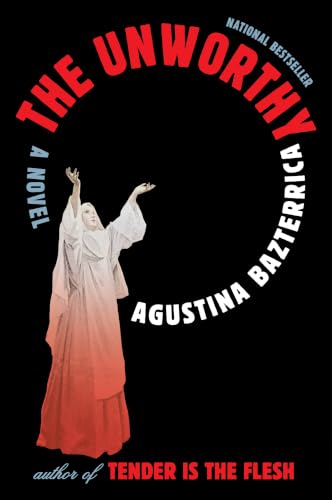
The Unworthy, by Agustina Bazterrica (2025)
Agustina Bazterrica broke through internationally with Tender is the Flesh – a meat-industry dystopia that left readers speechless. The Unworthy is her 2025 follow-up: a cult-set novel that explores submission, power, and the terrifying human capacity to surrender oneself completely to an ideology. It is dark, atmospheric, and deeply unsettling from the very first page.
This is the pick for readers who want something fresh. Bazterrica writes transgressive fiction with a Latin American surrealist edge – precise, layered, and genuinely disturbing. For Fight Club fans drawn to the novel's examination of identity, control, and what people do when the structures around them collapse, The Unworthy is a natural next read.

The Secret History, by Donna Tartt (1992)
A small group of classics students at a Vermont college forms a tight, secretive circle around their charismatic professor – and together they commit a murder. The Secret History opens with the killing and works backwards, so the tension is never about what happened but why, and how a group of intelligent people convinced themselves it was justified. The club feeling is right there from the first page: exclusive, ritualistic, and governed by rules that only its members understand.
The parallels to Fight Club are striking. There is a magnetic figure who draws people into a worldview that exists outside normal morality, a narrator who gets swept in before fully understanding what he has joined, and violence that binds the group together rather than tearing it apart – until it does. One of the great dark novels of the 1990s.

American Psycho, by Bret Easton Ellis (1991)
Patrick Bateman is a Wall Street investment banker with an obsession for business cards, designer clothes, and violence. American Psycho is a satire so sharp it cuts in both directions – skewering the emptiness of 1980s yuppie culture while keeping you constantly off-balance about what is real and what is Bateman's fantasy. Like Fight Club, it uses an unreliable narrator to say something deeply uncomfortable about masculinity and status.
Ellis writes in a flat, clinical style that makes the horror land harder. The brand names pile up alongside the body count, and the effect is deliberately numbing – which is exactly the point. If you found Tyler Durden's philosophy uncomfortably compelling, Bateman's worldview will crawl under your skin the same way.

A Clockwork Orange, by Anthony Burgess (1962)
Alex is 15 years old, loves classical music, and leads a gang of thugs through brutal nighttime violence in a dystopian England. A Clockwork Orange is a landmark in transgressive fiction – raw, linguistically inventive (Burgess invented an entire slang called Nadsat), and deeply unsettling in its exploration of free will, violence, and state control. The novel forces you to ask whether a person can truly change, and at what cost.
Like Fight Club, A Clockwork Orange is as much a philosophical provocation as it is a story. Burgess does not flinch, and he does not offer easy answers. It remains one of the most debated novels ever written, and every page demands your full attention.

Trainspotting, by Irvine Welsh (1993)
Set in the heroin-addicted underworld of Edinburgh, Trainspotting follows a loose group of young men who have opted out of society in the most self-destructive way possible. Welsh writes in dense Scottish dialect that takes some adjustment, but once you are in, the novel is completely immersive – funny, heartbreaking, and relentlessly honest about addiction and the cost of checking out.
The connection to Fight Club runs deep: both are angry rejections of mainstream life, told through characters who have nothing left to lose. Trainspotting's famous “Choose Life” passage is the Scottish cousin of Tyler Durden's anti-consumerist monologues. If that resonated with you, this book will feel like a gut punch.

Requiem for a Dream, by Hubert Selby Jr. (1978)
Four people in Brooklyn spiral into addiction – a young man and his friends chasing a drug deal that will change their lives, and his mother becoming hooked on diet pills and the dream of appearing on television. Selby writes without quotation marks, without chapter breaks, in a breathless style that mirrors the consuming nature of addiction itself. By the end, the novel is almost unbearable – and impossible to put down.
Where Fight Club channels its darkness into a kind of violent catharsis, Requiem for a Dream offers none. It is pure descent. Selby does not romanticize destruction – he just shows it, without mercy. One of the most devastating American novels ever written.

White Noise, by Don DeLillo (1985)
Jack Gladney is a professor of Hitler Studies living a comfortable suburban life when a toxic chemical spill forces his town to evacuate – and forces him to confront the one thing he has always feared: death. White Noise is DeLillo at his best – sharp, funny, and profoundly unsettling beneath the surface. It dissects consumer culture and the modern obsession with safety in a way that feels more relevant than ever.
The parallels to Fight Club are clear: a middle-class man who has everything and feels utterly hollow, surrounded by brand names and media noise. DeLillo's prose is cooler and more cerebral than Palahniuk's, but the existential unease is exactly the same. White Noise won the National Book Award and remains one of the defining American novels of the 20th century.
Why You Should Read Books Like Fight Club
Transgressive fiction is not about shock value. At its best, it uses darkness as a scalpel – cutting through the comfortable stories we tell ourselves about who we are and what we want. Fight Club works because it names something real: the hollow feeling that comes from doing everything you were supposed to do and still arriving somewhere that feels meaningless. The books on this list do the same thing in different ways and from different directions.
They are uncomfortable because they are honest. They put characters in situations that reveal how thin the line is between civilization and chaos, between identity and performance, between freedom and self-destruction. That is not nihilism – it is a very specific kind of courage in fiction. The willingness to ask the hard question without softening the answer.
Reading in this space also changes how you read everything else. Once you have sat with American Psycho's cold satire or Trainspotting's raw dialect, you bring a different kind of attention to fiction. You become harder to shock and easier to genuinely move – which is the opposite of what most people expect. The best transgressive books leave you with more empathy, not less, because they force you to understand people and systems you would normally look away from.
Final Thoughts on Books Like Fight Club
If Fight Club opened a door for you, these books will keep it open. Start with The Unworthy by Agustina Bazterrica if you want something recent that carries the same unsettling energy into 2025. Pick up American Psycho if you want the satire turned all the way up. Go to Trainspotting if you want raw emotion and real consequence. Each one hits differently, but all of them will stay with you.
If you enjoy dark, psychologically charged fiction, you might also want to read our list of top corporate psychological thrillers about power and manipulation – a different flavor of darkness, but the same kind of relentless tension that never quite lets go.


My profession is online marketing and software development (10+ years experience), a lot of AI related projects nowadays, check my latest works here. But my real passion is reading books both fiction and non-fiction. I have several favorite authors like James Redfield or Daniel Keyes. If I read a book I always want to find the best part of it, every book has its unique value.